The Unfiltered Lens: Direct Communication in Neurodivergent Children
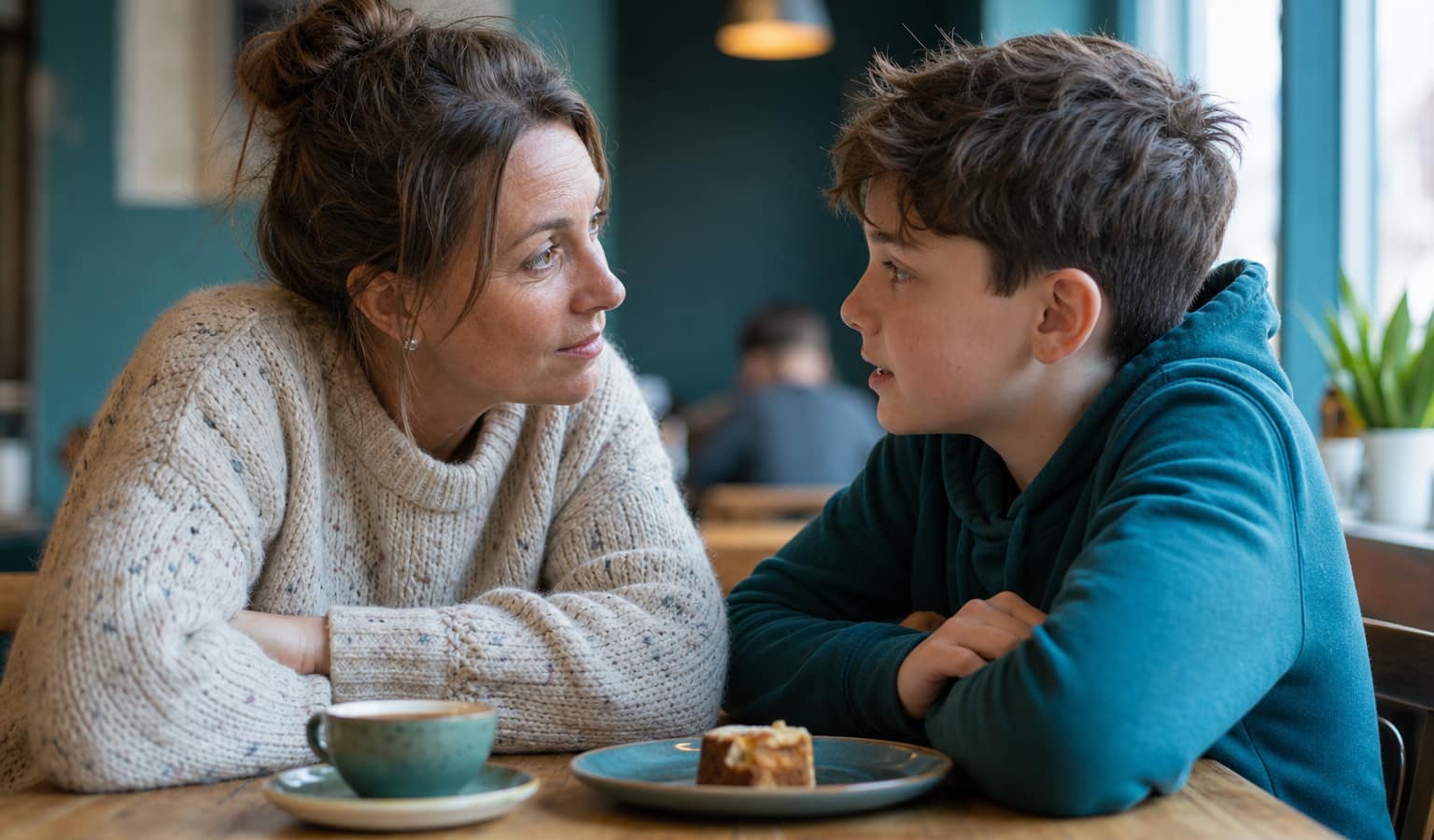
“That’s an ugly shirt.”
“I don’t want to go to your party.”
“I’m bored.”
For many parents, these phrases land like a punch in the gut. They can be confusing, hurtful, and, in social settings, embarrassing. We might immediately assume our child is rude, ungrateful, or lacks empathy. We might rush to correct them, saying, “That’s not a nice thing to say,” or “You have to go to the party.”
But what if we pause for a moment and look at the world through our child’s eyes? For many neurodivergent children, this direct, seemingly blunt communication isn’t a form of rudeness. It’s a form of honesty, a reflection of a mind that operates without the layers of social filters that neurotypical people often use. It’s an unfiltered lens.
Understanding this core difference in communication is a profound shift for parents. It moves us from a place of judgment to a place of compassion and connection. This article is a deep dive into the world of direct communication in neurodivergent children. We’ll explore why this unfiltered approach is often a strength, how to navigate its challenges, and how a platform like Tediverse can help you and your child communicate more effectively and authentically.
The Neurotypical Filter vs. The Unfiltered Lens
To understand direct communication, it helps to first understand what it is not. Neurotypical communication is often layered with social filters, a complex system of rules and unspoken norms that we learn from a young age. These filters guide us to use:
Neurotypical Communication Filters:
- White Lies: Saying, “What a lovely gift!” even if we don’t like it, to avoid hurting feelings.
- Subtle Cues: Using a sigh or a raised eyebrow to communicate annoyance without saying a word.
- Figurative Language: Using idioms like “it’s raining cats and dogs” or sarcasm like, “Wow, great job!” when the opposite is meant.
- Social Scripts: Following a pre-programmed script in social situations, such as asking, “How are you?” without truly expecting a detailed answer.
For a neurodivergent child, these filters are often invisible. Their brain is wired for efficiency and honesty, seeing the world through an unfiltered lens. Their communication is:
Unfiltered Communication Characteristics:
- Literal: They take words at face value. If you say, “I’m so hungry I could eat a horse,” they might genuinely worry about you eating a horse.
- Direct: They say exactly what they mean. “I don’t like your shirt” means just that. It’s not intended as an insult; it’s a statement of fact.
- Emotionally Honest: They often express their feelings openly and without inhibition. If they are bored, they will say they are bored. If they are upset, their distress is clear.
This unfiltered approach is not a lack of empathy. In fact, many neurodivergent children are deeply empathetic but express it in different ways. Their honesty is often a sign of trust and a belief that you will accept them for who they are.
The Unspoken Language: When Verbal and Non-Verbal Don’t Match
The challenges of direct communication are compounded when it comes to non-verbal cues. For many neurodivergent children, their ability to interpret subtle social signals is different.
Non-Verbal Communication Challenges:
- Tone of Voice: They may not pick up on the subtleties of tone. A sarcastic comment might be taken literally because they are focusing on the words themselves, not the unspoken emotion behind them.
- Body Language: They may not interpret body language in the same way. A person with crossed arms and a tense face might not be read as angry, but simply as a person with crossed arms.
- Facial Expressions: The rapid, complex facial expressions of a conversation can be overwhelming and difficult to decode. The child may be so focused on trying to process the words that they miss the emotional context entirely.
This is a key area where miscommunication can occur. A parent might use a sarcastic tone to say, “I’m thrilled you left your toys all over the floor,” and the child, interpreting the words literally, assumes the parent is genuinely happy. This disconnect can lead to frustration on both sides.
Why the Unfiltered Lens is a Superpower
While this style of communication can be challenging in a world built on social nuance, it is also a powerful strength. Embracing this trait is a key step in helping a neurodivergent child develop a strong and authentic sense of self.
Strengths of Unfiltered Communication:
- Radical Honesty: You always know where you stand with a person who communicates directly. They are honest, trustworthy, and a loyal friend.
- Authenticity: For a neurodivergent child, their unfiltered communication is a huge part of their authentic self. Teaching them to completely suppress it can lead to masking, a painful and exhausting process that can cause severe emotional distress and burnout. Our blog post on Masking in Neurodivergent Children: Understanding the Risks and Promoting Authenticity provides a detailed exploration of this.
- Clarity and Efficiency: A direct communicator is efficient. They get to the point quickly, avoiding unnecessary social rituals and small talk. This ability to focus on the facts and details is also closely linked to a child’s special interests.
By celebrating these qualities, we teach our children that their way of communicating is not “wrong” but simply different. This validation is a crucial step in their journey toward self-acceptance and resilience, which we discuss in our post on Echo of Past Rejection: Healing and Building Resilience in Neurodivergent Children.
Practical Strategies for Building a Bridge of Communication
As a parent, you are the most important person in your child’s world. Your job is to create a safe space where they can communicate authentically, while also helping them navigate a world that doesn’t always understand their unfiltered lens.
1. Lead with Clarity and Literal Language
The most effective strategy is to become a more direct communicator yourself. Avoid sarcasm, idioms, and implied meaning.
Communication Examples:
- Instead of: “It’s time to hit the hay.” Try: “It’s time to go to bed.”
- Instead of: “Wow, what a mess you made.” (sarcastic) Try: “Please put your toys away.”
2. Teach the “Filter” as a Tool, Not a Rule
A social filter isn’t about hiding who you are; it’s a tool for navigating social situations. Frame it this way for your child.
Teaching Social Filters:
- Use Social Stories: Create simple, narrative stories that explain why a certain social action might be helpful. For example, a story might show how saying “Thank you” for a gift, even if you don’t like it, makes a friend feel happy.
- Visual Cues: Use a visual schedule to introduce social concepts. A symbol of a conversation bubble with a happy face can remind a child to use a polite tone.
3. Validate Their Communication, Even When It’s Challenging
When a child says something that is hurtful, don’t dismiss their honesty. Acknowledge it, and then help them understand the impact of their words.
Instead of: “You’re so rude for saying that.”
Try: “I know you’re just being honest about the shirt, but sometimes our words can make people feel sad. Let’s think of a different way to say that.”
This is an act of validating their feelings while teaching a new skill, a powerful strategy we talk about in our post Little Feelings, Big Deal: Validating and Supporting Emotional Expression in Neurodivergent Children.
4. Embrace and Engage with Their Passions
When a neurodivergent child communicates with you, especially about their special interests, it’s a powerful moment of connection. Engage with them, ask questions, and show genuine interest. It reinforces that their communication is valued, and it builds a bridge between their world and yours.
How Tediverse Can Help
Building a bridge of communication requires consistent effort and a system for tracking what works. This is exactly what Tediverse was built for. Our platform helps you:
Tediverse Communication Support Features:
- Keep Everyone Aligned: Share notes and strategies with everyone who supports your child, so you’re all using the same clear, consistent approach.
- Support Predictability: Build visual schedules that make new or tricky social situations more predictable and less overwhelming.
- Track Patterns: Our Daily Tracking Suite allows you to log successful communication strategies and note situations that caused confusion.
Build authentic communication with your child
Tediverse helps you track what works, keep everyone supporting your child on the same page, and use visual schedules to make new situations feel predictable.
✓ Free plan available • ✓ No credit card needed • ✓ Upgrade any time
Conclusion: Embracing the Unfiltered Lens
Embracing your child’s unfiltered lens is a journey of letting go of neurotypical expectations and celebrating their unique strengths. With the right tools and a heart full of compassion, you can move past the frustration of miscommunication and build a relationship based on honesty, trust, and deep, authentic connection.
The journey from misunderstanding to authentic connection is possible. It requires patience, understanding, and the right tools to identify patterns and implement effective strategies. Every child’s communication profile is unique, and what works for one family may need adaptation for another.
Remember, progress in this area is often measured in small steps: a child who previously couldn’t understand sarcasm now recognizing it in familiar contexts, or a child who was always brutally honest now learning to soften their words while maintaining their authenticity. Celebrate these victories, no matter how small they may seem.