Communication Strategies for Non-Speaking Children: Complete Guide
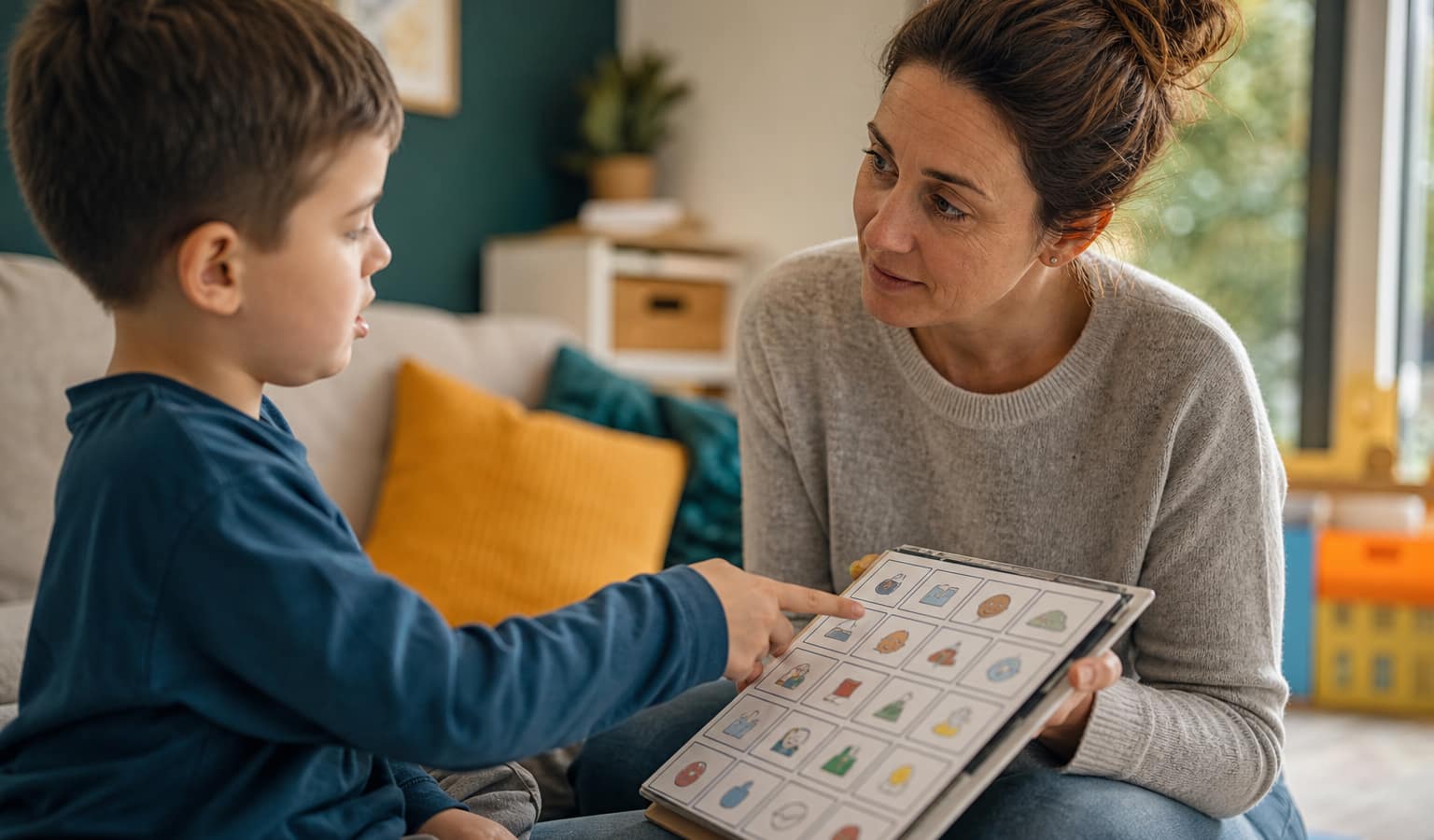
For many children with neurodevelopmental differences such as autism, developmental language disorder, or other special educational needs and disabilities (SEND), verbal communication can present significant challenges. In the UK, more than 1 in 100 people are on the autism spectrum (and recent studies suggest the figure is higher), and up to 30% of autistic individuals may be non-speaking or have limited verbal communication.
This guide aims to provide families, educators, and carers across the UK with practical, evidence-based strategies to support non-speaking children in developing effective communication skills.
“Communication is not just about speaking. It’s about connecting, understanding, and being understood. Every child deserves the opportunity to communicate in a way that works for them.”
Understanding Non-Speaking Children
Before discussing specific communication strategies, it’s important to understand that non-speaking doesn’t mean non-communicating. Children who don’t use verbal speech communicate in numerous other ways–through gestures, facial expressions, vocalisations, behaviour, and with the help of various tools and systems.
Why Some Children Don’t Use Verbal Speech
- Autism spectrum condition
- Developmental language disorder
- Childhood apraxia of speech
- Global developmental delay
- Selective mutism
- Hearing impairments
- Physical conditions affecting speech production
- Neurological differences
The UK’s SEND Code of Practice recognises communication and interaction as one of the four broad areas of need, highlighting the importance of appropriate support for children with these challenges.
Presuming Competence
A fundamental principle when working with non-speaking children is to presume competence–assuming that they understand more than they can express and have thoughts, feelings, and opinions they wish to communicate. This respectful approach forms the foundation of effective communication support.
Important: Remember that a child’s ability to speak is not an indicator of their intelligence, understanding, or potential. Many non-speaking individuals have rich inner lives and complex thoughts they simply cannot express through conventional verbal means.
Augmentative and Alternative Communication (AAC) Methods
Augmentative and Alternative Communication (AAC) encompasses all forms of communication (other than verbal speech) that are used to express thoughts, needs, wants, and ideas. In the UK educational and healthcare systems, AAC is recognised as a vital pathway to enable communication access for non-speaking children.
Types of AAC
Unaided AAC:
- British Sign Language (BSL)
- Makaton (widely used in UK schools and early years settings)
- Signalong
- Natural gestures
- Facial expressions and body language
Example: Many UK primary schools integrate Makaton signing during circle time activities to support all children, including those with communication needs.
Aided AAC - Low-Tech Options:
- Communication books
- Picture Exchange Communication System (PECS)
- Communication boards
- Visual timetables (commonly used in UK classrooms)
- Choice boards
Aided AAC - High-Tech Options:
- Speech-generating devices
- Tablet apps (Proloquo2Go, TouchChat, LAMP Words for Life)
- Eye-gaze technology
- Switch access systems
Visual Communication Systems
Visual supports are crucial for non-speaking children:
PECS (Picture Exchange Communication System)
PECS is a systematic approach using picture cards to enable communication. It has six phases from single picture exchanges to commenting and answering questions.
Visual Timetables
Visual timetables use pictures or symbols to represent activities, helping children understand what will happen and when.
Communication Boards
Customized boards with pictures, symbols, or words that children can point to or indicate to communicate their needs and wants.
Technology Solutions for Communication
Speech-Generating Devices (SGDs)
In the UK, children may access SGDs through:
- NHS Speech and Language Therapy services
- Local Authority Assistive Technology teams
- Educational settings (often funded through EHCPs)
- Charitable organizations
Tablet Apps
Popular AAC apps available in the UK:
- Proloquo2Go
- TouchChat HD
- LAMP Words for Life
- Grid 3
- GoTalk NOW
Building Supportive Communication Environments
Creating environments that support communication involves:
- Ensuring all communication partners are trained
- Providing consistent access to communication tools
- Modeling AAC use regularly
- Creating opportunities for communication throughout the day
- Being patient and allowing processing time
Working with NHS Speech and Language Therapists
In the UK, Speech and Language Therapists (SaLTs) are key professionals:
Accessing Services
- Referral through GP or health visitor
- Direct referral from school SENCO
- Some areas have self-referral options
- Private therapy options available
What to Expect
- Comprehensive communication assessment
- Recommendations for AAC methods
- Training for families and educators
- Regular review and adjustments
- Support with equipment applications
How Tediverse Supports Non-Speaking Children
Communication support works best when everyone around your child uses the same approaches and can see what is helping. Tediverse gives families one place to record strategies, build visual supports, and share a clear picture of your child’s communication with speech and language therapists and educators.
| Tediverse tool | What it captures or does | How it supports a non-speaking child |
|---|---|---|
| My Feelings check-ins | Emoji- and picture-based emotion selection with simple intensity scales | Gives a non-speaking child an accessible, AAC-friendly way to show how they feel |
| Social Stories | Personalised stories built from text and images | Prepares your child for a new situation or change to routine before it happens |
| Visual schedules (My Day) | A clear visual sequence of the day, with countdown timers for transitions | Adds the predictability that lowers anxiety and creates natural moments to communicate |
| Health Passport | Diagnoses, communication preferences and professional contacts in one place | Lets you share a ready-made communication profile with a new setting, TA or NHS therapist |
| Episode Tracker | Communication attempts and successes, and the settings they happen in | Shows which approaches and environments work best, and builds evidence between NHS appointments |
Keep your child’s communication approach in one place
Tediverse helps you record which strategies work, build visual schedules that support communication, and store your child’s communication profile and preferences to share with SaLTs and educators.
✓ Free plan available • ✓ No credit card needed • ✓ Upgrade any time
Resources and Further Support
UK Organizations
- Communication Matters (UK AAC organization)
- The Makaton Charity
- Signalong Group
- I CAN (children’s communication charity)
- Afasic (supporting children and families affected by speech and language impairments)
Financial Support
- Disability Living Allowance (DLA) can help with communication equipment costs
- Access to Work (for older children/adults)
- Local Authority funding through EHCPs
- Charitable grants (e.g., Family Fund, Caudwell Children)