Safety Guides for Neurodivergent Individuals: Comprehensive Resource
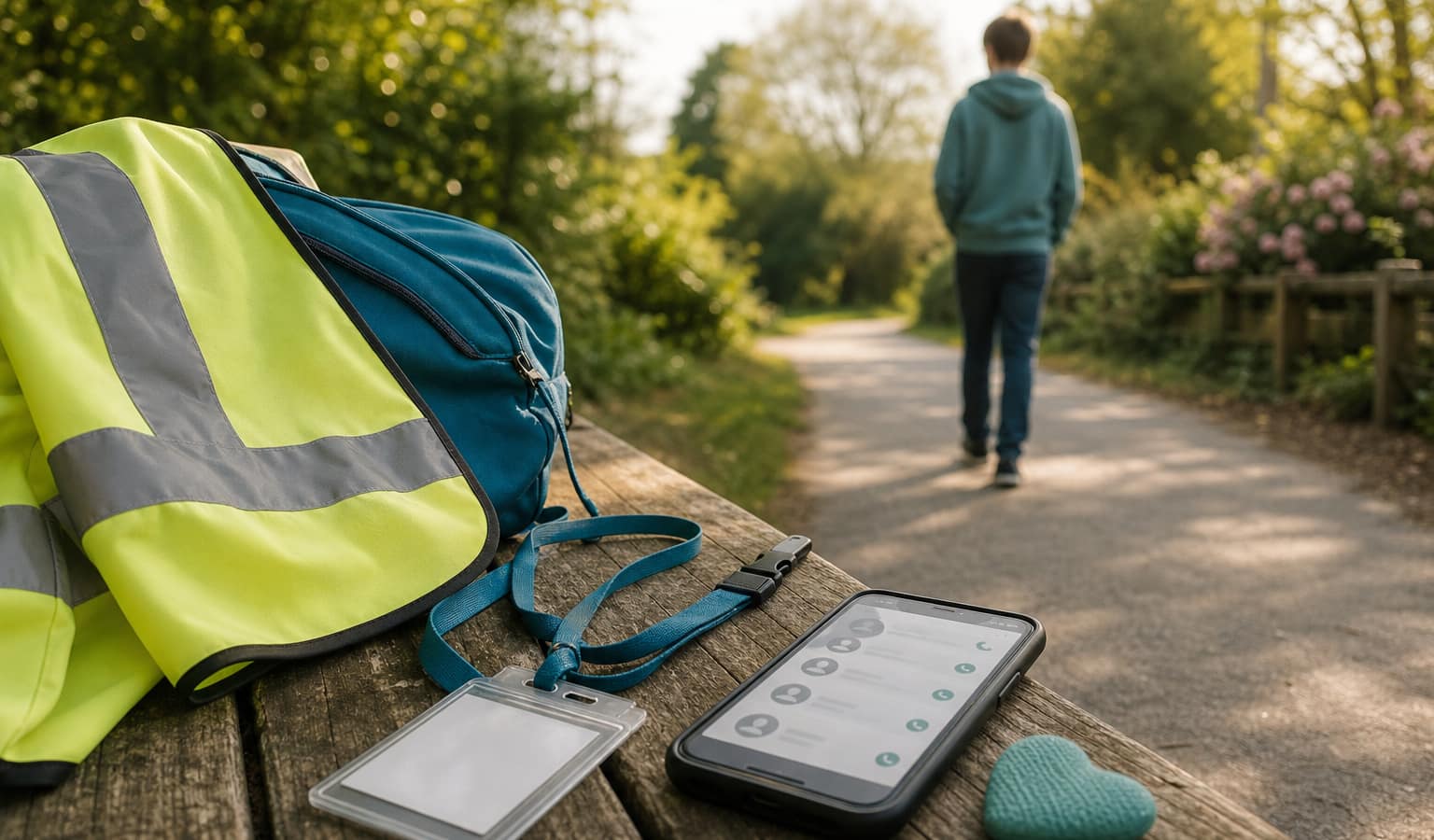
Keeping neurodivergent children and adults safe requires understanding their unique needs and vulnerabilities. This comprehensive guide covers essential safety strategies across multiple areas of life, with specific focus on UK resources and supports.
Understanding Safety Risks for Neurodivergent Individuals
Neurodivergent individuals may face specific safety challenges:
Sensory Differences: May not respond typically to danger signals or may be overwhelmed by safety equipment sounds.
Communication Differences: May have difficulty reporting concerns or understanding safety instructions.
Social Differences: May not recognize potentially unsafe situations or people.
Executive Function Challenges: May have difficulty planning for safety or responding in emergencies.
Wandering/Elopement: Some may wander or leave safe areas, particularly those with autism.
Impulsivity: Those with ADHD may engage in risky behaviors without considering consequences.
Home Safety
General Home Safety
Environmental Modifications:
- Secure windows and doors appropriately
- Use door alarms or sensors
- Remove or secure hazardous items
- Create safe spaces for regulation
- Ensure good lighting
- Reduce trip hazards
- Use visual safety cues
Fire Safety:
- Install and regularly test smoke alarms
- Create visual fire escape plans
- Practice fire drills regularly
- Consider vibrating alarms for those with hearing sensitivities
- Keep fire extinguishers accessible
- Teach fire safety in accessible ways
Water Safety:
- Never leave children unsupervised near water
- Use pool alarms and barriers
- Teach water safety rules visually
- Consider swimming lessons with instructors experienced with neurodivergent children
- Use life jackets appropriately
Electrical Safety:
- Cover outlets
- Secure cords
- Teach electrical safety clearly
- Use childproof devices appropriately
Wandering and Elopement Prevention
Understanding Wandering:
- Common in autism
- Can happen at any time
- May seek familiar places or sensory experiences
- Often silent and purposeful
Prevention Strategies:
- Secure exits with appropriate locks
- Use door alarms
- Window locks and sensors
- Fencing for outdoor areas
- Visual cues about boundaries
- Consistent routines
- Supervision strategies
Preparation:
- Keep recent photos
- Know favorite places
- Register with services (see UK resources below)
- Teach identification information
- Use identification bracelets or tags
- Have emergency contacts easily accessible
UK Resources:
- The National Autistic Society wandering guidance
- Local police safe places schemes
- Emergency services alert schemes
Elopement Prevention, Step by Step
Prevention works best when it targets why your child leaves and makes leaving unsupervised physically harder. Work through these together over time.
| Strategy | How to put it in place |
|---|---|
| Identify the "why" | Keep a short log of when and where wandering happens and what came just before — are they seeking something (water, trains) or escaping something (noise, crowds)? |
| Meet the underlying need | If they seek sensory input, build in safe supervised access (e.g. pool time); if they escape overload, create calm spaces and offer ear defenders. |
| Make leaving harder | Fit self-latching gates, door and window alarms, and locks placed high or low; reinforce the exits used most. |
| Teach "staying put" | Use clear rules ("stay with me", "stay in the garden"), practise in low-stress settings, and mark boundaries visually. |
| Use tracking technology | A wearable GPS tracker (watch or clip-on) your child will tolerate gives a crucial safety net if they do leave. |
| Prepare for transitions | If wandering happens during changes, a "first/then" board or visual schedule shows what's coming and lowers anxiety. |
| Teach identification | Practise name, your name and phone number through songs or games; add an ID card or bracelet they carry or wear. |
| Brief your network | Give trusted neighbours and local responders a recent photo, your contact details, and key triggers (e.g. drawn to water). |
| Consider a medical alert | A bracelet or tag stating the diagnosis and an emergency number helps responders if your child is found and cannot speak. |
If your child does go missing, having a plan ready reduces panic:
- Search the immediate area and nearby hiding spots first.
- Call 999 straight away — don’t wait. Give a description and last known location, and tell them your child is autistic or neurodivergent and prone to wandering, and what they may be drawn to (water, trains, lights).
- Alert the neighbours, friends and family you have briefed in advance.
- Search the places their motivations point to — nearby water, a favourite shop, or the route towards a familiar house.
Online Safety
Understanding Risks
Neurodivergent individuals may be at higher risk online due to:
- Difficulty recognizing manipulation
- Literal interpretation of information
- Desire for connection
- Difficulty understanding consequences
- Executive function challenges
Protective Strategies
Supervision and Monitoring:
- Age-appropriate supervision
- Parental controls and filters
- Regular conversations about online activity
- Monitoring software (with transparency)
- Keep devices in shared spaces
Education:
- Teach online safety explicitly
- Use visual guides and social stories
- Practice scenarios
- Regular reminders
- Age-appropriate boundaries
Specific Concerns:
- Online grooming awareness
- Cyberbullying recognition and response
- Privacy protection
- Identity protection
- Financial safety
- Inappropriate content
Spotting a “Tricky Person” Online
Many neurodivergent young people are targeted precisely because they are trusting and take things literally. Teach these red flags explicitly and practise them, rather than relying on a vague “don’t talk to strangers”. A “tricky person” can be someone your child knows online, not only an obvious stranger.
| Red flag online | What to teach your child |
|---|---|
| An adult wants to be their friend | Grown-ups make friends with other grown-ups, not with children — this is a reason to tell you. |
| They ask for personal information | Never share full name, address, school, phone number or passwords; check with a parent first. |
| They ask them to keep a secret from you | Safe adults never ask a child to keep secrets from their parents. |
| They ask to meet in person | Always tell a parent; never go to meet someone known only online. |
| They ask for photos or videos | Say no and tell a trusted adult straight away. |
| Lots of flattery or attention that feels uncomfortable | Trust that uncomfortable feeling — it's a signal to step back and tell someone. |
UK Resources:
- NSPCC online safety guidance
- The CEOP Safety Centre (part of the National Crime Agency)
- Internet Matters
- Childnet International
Public Safety
Teaching Street Safety
Visual Strategies:
- Use visual guides and social stories
- Practice in safe environments first
- Use role-play and modeling
- Create visual rules
Key Skills:
- Road safety rules
- Stranger awareness (age-appropriate)
- Getting lost procedures
- Using public transport safely
- Recognizing safe places
Public Transport Safety
Preparation:
- Practice routes beforehand
- Use visual schedules
- Teach ticket purchasing
- Practice emergency procedures
- Identify staff uniforms
- Know emergency contacts
Support:
- Consider travel training
- Use assistance cards (see UK resources)
- Plan for sensory needs
- Have backup plans
Emergency Situations
Teaching Emergency Procedures:
- How to call 999
- What information to give
- How to recognize emergencies
- Staying calm strategies
- Safe places to go
Identification:
- Emergency contact information
- Medical information
- Communication needs
- Sensory considerations
Personal Safety
Teaching Body Safety
Age-Appropriate Education:
- Private parts education
- Good touch/bad touch concepts
- Saying no and telling
- Recognizing appropriate/inappropriate behavior
- Building confidence to report
Communication:
- Use clear, visual methods
- Practice scenarios
- Reinforce regularly
- Create safe reporting environment
Bullying and Abuse Prevention
Recognizing Signs:
- Changes in behavior
- Unexplained injuries
- Regression
- Fear of specific people or places
- Unexplained distress
Prevention:
- Build strong relationships
- Teach self-advocacy
- Maintain open communication
- Know warning signs
- Create safe reporting systems
UK Resources:
- NSPCC
- ChildLine
- Anti-Bullying Alliance
- Contact (for disabled children)
Emergency Preparedness
Creating Emergency Plans
Essential Information:
- Medical information
- Medications and dosages
- Communication needs
- Sensory considerations
- Behavioral strategies
- Emergency contacts
Documentation:
- Medical alert cards
- Emergency information sheets
- Photos for identification
- Copies of important documents
How Tediverse Helps:
- Health Passport stores all emergency information
- Quick access to medical details
- Communication preferences documented
- Emergency contacts easily accessible
Emergency Services
Working with Emergency Services:
- Consider alert schemes where available
- Provide emergency services with information cards
- Teach your child to identify emergency services
- Practice emergency scenarios
UK Resources:
- Local police safe places schemes
- Ambulance service alert schemes
- Fire service safety visits
Safety Across Life Stages
Early Years
- Constant supervision
- Baby-proofing
- Teaching basic safety
- Beginning safety education
School Age
- Increased independence preparation
- Safety education expansion
- Peer interaction safety
- Online safety introduction
Adolescence
- Greater independence
- Expanded safety education
- Dating safety (if relevant)
- Employment safety
Adulthood
- Independent living safety
- Employment safety
- Relationship safety
- Financial safety
Building Safety Skills
Teaching Strategies
Use Visual Supports:
- Social stories
- Visual schedules
- Picture guides
- Visual rules
Practice Regularly:
- Role-play scenarios
- Practice in real settings
- Regular reviews
- Gradual independence building
Make it Relevant:
- Connect to interests
- Use examples they understand
- Keep it practical
- Adjust to learning style
Getting Help
UK Organizations
- The National Autistic Society
- NSPCC
- ChildLine
- Contact (for families with disabled children)
- Local SENDIASS services
- Police safe places schemes
Emergency Contacts
- 999 for emergencies
- 101 for non-emergency police
- ChildLine: 0800 1111
- NSPCC Helpline: 0808 800 5000
How Tediverse Supports Safety
- Store emergency information securely
- Document safety concerns and incidents
- Track patterns that might indicate safety issues
- Share safety information with caregivers
- Maintain up-to-date medical and contact information
- Create visual safety plans and procedures
Here’s how each part of Tediverse maps to keeping your child safer day to day:
| Tediverse tool | How it helps you keep your child safe |
|---|---|
| Health Passport | One secure place for medical details, communication needs, sensory considerations and emergency contacts — ready to hand to responders or a new setting. |
| Episode & incident tracking | Log wandering, near-misses and safety incidents as they happen, so patterns and triggers become visible. |
| Daily tracking (mood, sleep, behaviour) | Spot the build-up — poor sleep or rising distress — that often precedes an unsafe day. |
| Visual schedules | Prepare your child for the transitions and changes that most often trigger bolting or overwhelm. |
| Reports & summaries | Turn what you've recorded into a clear safety picture to share with school, family or professionals. |
| Your child's own dashboard | Feelings check-ins give your child a calm way to flag when something feels wrong. |
Keep the safety information that matters in one place
Tediverse’s Health Passport stores your child’s medical details, communication needs, and emergency contacts, while daily tracking helps you spot and record safety concerns before they escalate.
✓ Free plan available • ✓ No credit card needed • ✓ Upgrade any time