Creating a Sensory-Friendly Home: Complete Guide for UK Families
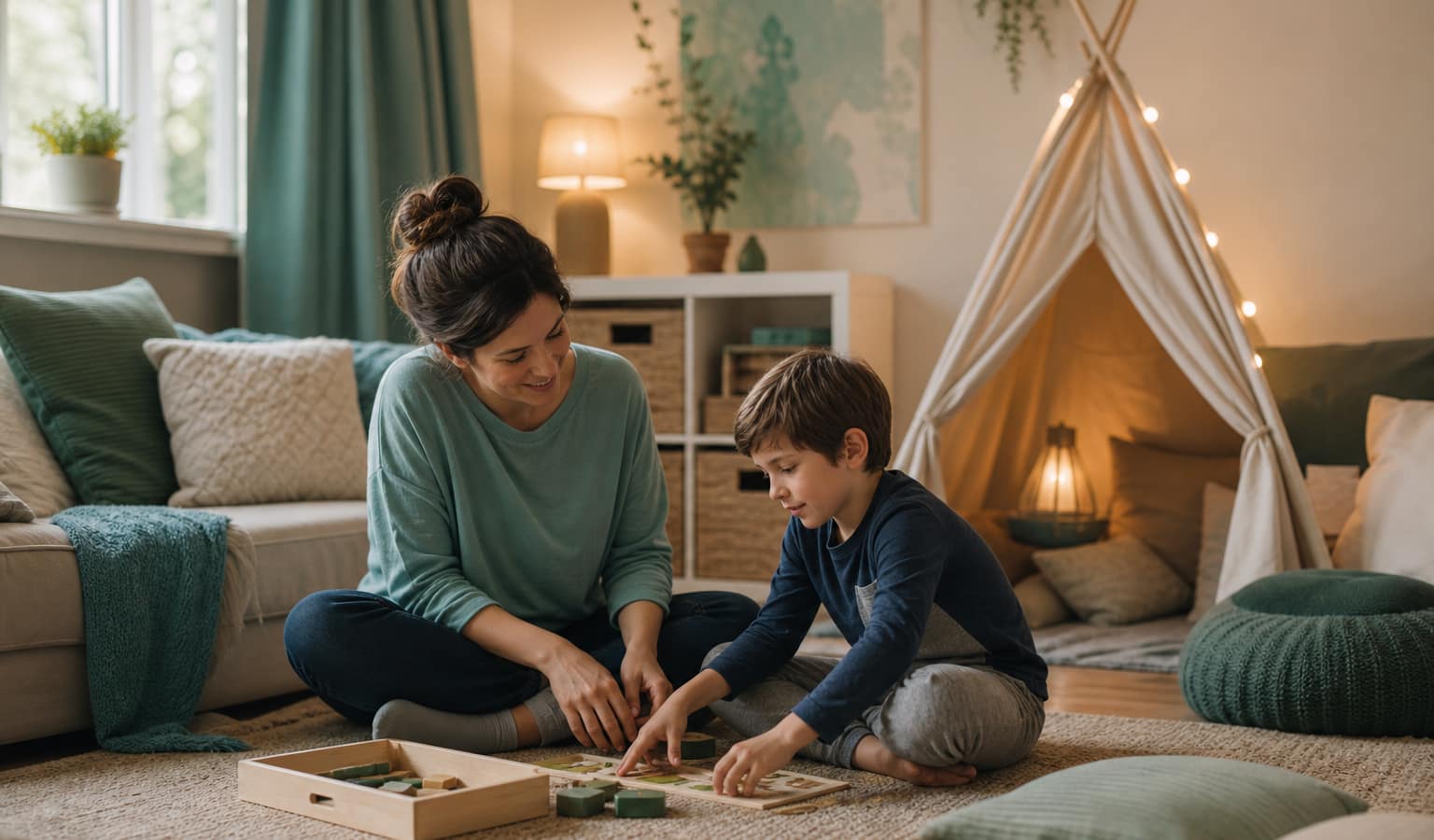
Creating a sensory-friendly home environment can significantly improve the daily life of neurodivergent children with sensory processing differences. Whether your child has autism, ADHD, or other sensory needs, thoughtful adaptations to your living space can reduce anxiety, prevent sensory overload, and create a more supportive environment.
This guide is specifically designed for UK families and considers typical British housing, NHS pathways, and local authority support available throughout England, Scotland, Wales, and Northern Ireland.
Key Benefits of Sensory-Friendly Homes
- Reduced anxiety and sensory overload for neurodivergent children
- Improved ability to focus, learn, and engage in daily activities
- Better sleep quality and overall well-being
- Greater independence in navigating the home environment
- Fewer meltdowns and challenging behaviors related to sensory discomfort
- More enjoyable family time in shared spaces
Important: Not all adaptations need to be expensive or permanent. Many effective strategies are low-cost and can be implemented gradually as you learn more about your child’s specific sensory needs.
Assessing Your Child’s Sensory Needs
Before making changes, it’s helpful to understand your child’s specific sensory profile:
Hypersensitivity (Over-Responsive)
- Reacts strongly to sensory input
- May find ordinary sensations overwhelming
- Benefits from reduced stimulation
Hyposensitivity (Under-Responsive)
- Seeks out intense sensory experiences
- May not notice ordinary sensations
- Benefits from increased stimulation
Sensory Seeking
- Actively pursues sensory input
- Benefits from appropriate sensory tools and activities
Room-by-Room Sensory Adaptations
Bedroom
For Hypersensitive Children:
- Install blackout curtains or blinds
- Use dimmer switches for lighting control
- Consider low-sensory bedding without busy patterns
- Replace buzzing LED bulbs with warm-tone alternatives
- Install thick carpet or rugs to reduce noise
- Create a sensory retreat with a pop-up tent or canopy bed
For Hyposensitive Children:
- Provide weighted blankets (a common guide is around 10% of body weight plus 1-2 pounds, but check with an occupational therapist first, especially for younger children)
- Consider a hammock or swing for vestibular input
- Add textured cushions and furnishings for tactile stimulation
- Use vibrating pillows or mattresses for proprioceptive feedback
UK Product Recommendations:
- Sensory Wise - Sensory bedroom equipment
- Sensory Direct - UK-made weighted blankets
- Argos and IKEA offer affordable blackout blinds starting at £20
- B&Q and Screwfix carry Varilight dimmer switches (~£15)
Living Room
For Hypersensitive Children:
- Create a defined quiet corner with soft furnishings
- Use natural lighting where possible
- Reduce echo with soft furnishings and wall hangings
- Consider using noise-cancelling headphones during high-activity periods
- Opt for solid neutral colours rather than busy patterns
For Hyposensitive Children:
- Create a movement zone with crash pads or floor cushions
- Add rocking chairs or wobble cushions
- Consider sensory-rich wall features (textured panels, bubble tubes)
- Use varying lighting effects for visual stimulation
UK Product Recommendations:
- TTS Group - Educational sensory equipment
- Spacekraft - Sensory room equipment
- Dunelm and The Range offer affordable soft furnishings
- Etsy UK and Not on the High Street have many bespoke sensory items
Kitchen & Dining Area
For Hypersensitive Children:
- Reduce kitchen noise with soft-close drawers and cupboards
- Use a visual timer for meal preparation expectations
- Consider noise-reducing ear defenders during loud appliance use
- Create a designated quieter eating space if possible
- Use non-fluorescent lighting to avoid flickering
Funding and Support in the UK
Disabled Facilities Grant (DFG)
If your child has a disability and adaptations are necessary for daily living, you may be eligible for a Disabled Facilities Grant from your local authority. This can fund major adaptations like:
- Sensory room installations
- Structural modifications
- Specialist equipment installation
- Bathroom adaptations
Disability Living Allowance (DLA)
DLA for children can help with the extra costs of raising a disabled child, which can include sensory equipment.
NHS Support
Some sensory equipment may be available through NHS services, particularly:
- Occupational Therapy referrals for home assessments
- Specialist equipment loans
- Therapy-led adaptations
Working with Occupational Therapists
An Occupational Therapist (OT) can provide:
- Professional assessment of your child’s sensory needs
- Home environment assessments
- Recommendations for specific adaptations
- Support with funding applications
- Guidance on equipment selection
Preparing for your OT assessment: OTs can help most when you arrive with evidence, not just a general sense that “things are hard”. Before the appointment, note the specific sensory challenges in each room, photograph the spaces that cause problems, list your child’s sensory preferences and aversions, and record which strategies you’ve already tried and how well they worked. Keeping this in Tediverse — sensory incidents in the Episode Tracker, professional reports and equipment recommendations in the Health Passport — means the whole picture is ready to share, and you can track how well the OT’s recommendations work once you put them in place.
How Tediverse Supports Sensory-Friendly Homes
Adapting a home is mostly trial and error — a weighted blanket here, blackout blinds there. Tediverse turns that guesswork into evidence, so you can see which changes are genuinely helping and which rooms still need work. Here’s how each tool maps to the job.
| Tediverse tool | What it captures | How it helps at home |
|---|---|---|
| Episode Tracker | Sensory meltdowns and shutdowns, the room or activity that triggered them, and the calming strategies that worked | Shows which adaptations actually reduce overload — and which spaces still need work |
| Sleep Tracker | Night waking and settling after bedroom changes (blackout blinds, weighted blanket, warm lighting) | Evidence that a specific adaptation is improving sleep, rather than guesswork |
| Food Tracker | Mealtime distress, food textures and the sensory conditions around eating | Informs kitchen and dining adaptations and flags oral sensory needs |
| My Feelings check-ins | Your child's own signals of overwhelm across different spaces | Builds sensory self-awareness and highlights the environments that distress them |
| Visual schedules | Planned sensory breaks and a predictable rhythm to the day | Reduces sensory anxiety by making the day predictable and building in downtime |
| Health Passport | OT reports, diagnoses and equipment recommendations in one place | Ready to share at home assessments and reviews |
| Reports & exports | A room-by-room summary of what helps your child | Something concrete to share with your OT and your child's school |
Find out which adaptations actually help your child
Tediverse lets you track sensory triggers and patterns, record what works room by room, and build a clear picture you can share with your OT and your child’s school.
✓ Free plan available • ✓ No credit card needed • ✓ Upgrade any time