Sensory Processing Disorder: The Hidden Barrier to Learning
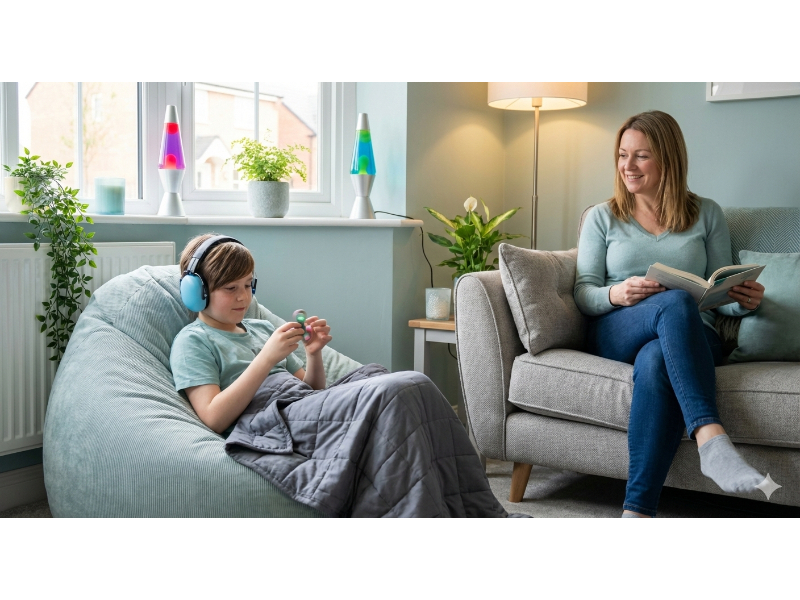
Your child melts down when you turn on the vacuum cleaner. They refuse to wear certain clothes because the seams “hurt.” The school cafeteria is unbearable. Haircuts are traumatic. Birthday parties end in tears. To outsiders, your child might seem “difficult” or “oversensitive,” but you’re beginning to suspect something deeper is going on.
Welcome to the world of Sensory Processing Disorder (SPD)–a neurological condition that affects how the brain receives and responds to sensory information. For children with SPD, everyday experiences that most people barely notice can be overwhelming, painful, or confusing. And in a school environment designed for neurotypical sensory systems, SPD can create significant barriers to learning, social engagement, and emotional regulation.
This comprehensive guide will help you understand what Sensory Processing Disorder is, how it manifests in children, why it’s often misunderstood, and most importantly–how to support your child both at home and at school so they can thrive despite these challenges.
Track sensory triggers and patterns
Identify what overwhelms your child and when. Tediverse helps you log sensory meltdowns, track environmental triggers, and create a personalized sensory profile for your child.
Start Tracking Sensory Patterns
✓ Free plan available • ✓ Sensory tracking tools • ✓ Pattern analysis
What Is Sensory Processing Disorder?
Sensory Processing Disorder (also called Sensory Integration Dysfunction) occurs when the brain has difficulty receiving and responding to information that comes through the senses. We often think of five senses (sight, sound, smell, taste, touch), but our sensory system actually includes eight:
The Eight Sensory Systems
- Visual (sight): Processing what we see–light, color, movement, patterns
- Auditory (hearing): Processing sounds–volume, pitch, frequency
- Tactile (touch): Processing touch sensations–texture, pressure, temperature, pain
- Gustatory (taste): Processing flavors and food textures in the mouth
- Olfactory (smell): Processing scents and odors
- Vestibular (balance and movement): Processing information about head position, movement through space, and balance
- Proprioceptive (body awareness): Processing information about where our body parts are in space and how much force we’re using
- Interoceptive (internal body signals): Processing internal sensations like hunger, thirst, pain, need for bathroom, heart rate
When the sensory processing system works well, the brain efficiently organizes all this incoming information and responds appropriately. But for children with SPD, this process breaks down–sensations might be too intense (hypersensitivity), not intense enough (hyposensitivity), or poorly organized, leading to confusion and distress.
Types of Sensory Processing Disorder
SPD isn’t a single condition–it’s an umbrella term for three main patterns of sensory difficulties:
1. Sensory Modulation Disorder
This involves difficulty regulating responses to sensory input. It has three subtypes:
Sensory Modulation Subtypes:
- Sensory Over-Responsivity (Hypersensitivity): Responding too strongly or negatively to sensory input that others find tolerable. Example: covering ears at normal volume conversations, refusing to wear certain fabrics, gagging at food smells.
- Sensory Under-Responsivity (Hyposensitivity): Not noticing or responding to sensory input that others notice. Example: not noticing when called, high pain threshold, not noticing when dirty or wet.
- Sensory Seeking: Constantly seeking intense sensory experiences. Example: crashing into furniture, spinning excessively, needing very loud music, touching everything.
2. Sensory-Based Motor Disorder
Difficulty using sensory information to plan and execute movements. Includes dyspraxia (difficulty planning and coordinating movements) and postural disorders (difficulty maintaining posture and stability).
3. Sensory Discrimination Disorder
Difficulty interpreting the specific qualities of sensory input–struggling to tell the difference between similar sensations, sounds, or visual stimuli.
Many children with SPD experience a combination of these patterns across different sensory systems. For example, a child might be hypersensitive to sound but hyposensitive to touch, and also be a sensory seeker for movement.
How SPD Shows Up in Daily Life
Understanding how SPD manifests helps you recognize the patterns and triggers in your child’s behavior.
Common Signs of Sensory Processing Disorder
Tactile (Touch) Sensitivities:
- Extreme distress about clothing tags, seams, or certain fabrics
- Avoidance of messy play (paint, sand, playdough)
- Discomfort with light touch but comfort with deep pressure
- Difficulty with hair brushing, nail cutting, or face washing
- Becomes distressed when touched unexpectedly
Auditory (Sound) Sensitivities:
- Covering ears in environments others find normal (cafeteria, assemblies)
- Distressed by unexpected sounds (flushing toilets, hand dryers, alarms)
- Difficulty filtering out background noise to focus on teacher’s voice
- Needs music or TV volume extremely loud or can’t tolerate any sound
Visual Sensitivities:
- Overwhelmed by bright lights or fluorescent lighting
- Difficulty with visually busy environments (cluttered classrooms)
- Sensitive to sunlight, needing sunglasses even on cloudy days
- Difficulty making eye contact (can feel overwhelming)
Vestibular (Movement/Balance) Sensitivities:
- Fear of feet leaving the ground (swings, climbing)
- Gets motion sick easily in cars or on playground equipment
- OR constantly seeks movement–spinning, jumping, can’t sit still
- Poor balance and coordination
Taste/Smell Sensitivities:
- Extremely limited diet–often only “white” or bland foods
- Gagging at food smells or textures
- Oversensitive to environmental smells (perfume, cleaning products)
- Difficulty eating in the school cafeteria due to overwhelming smells
Create a detailed sensory profile for your child
Document which sensory inputs cause distress, when meltdowns occur, and what helps your child regulate. Use this data to inform school accommodations and therapy approaches.
Why SPD Is a Barrier to Learning
Schools are sensory-intense environments. Fluorescent lighting, crowded hallways, noisy cafeterias, unpredictable bells, mandatory PE activities, group work requiring close proximity–for a child with SPD, school can be a daily assault on their nervous system.
How SPD Impacts Education
Educational Impact of Sensory Processing Disorder:
- Attention and Focus: When your child’s nervous system is overwhelmed by sensory input (lights, sounds, smells), they have no cognitive capacity left for learning. Their brain is in survival mode, not learning mode.
- Emotional Regulation: Sensory overload leads to meltdowns, shutdowns, or emotional dysregulation that disrupts learning and gets misinterpreted as behavioral issues.
- Social Participation: Children with SPD often avoid social situations (loud playgrounds, group activities) or behave in ways that peers don’t understand (covering ears, refusing to participate), leading to social isolation.
- Physical Participation: PE lessons, assemblies, field trips, and school performances may be impossible for sensory-sensitive children, limiting their access to the full curriculum.
- Fatigue: Constantly managing sensory input is exhausting. Children with SPD often appear fine at school but completely melt down at home, having used all their energy masking and coping.
SPD and Other Conditions: Understanding the Overlap
SPD doesn’t exist in isolation–it frequently co-occurs with other neurodevelopmental conditions:
Conditions That Often Co-occur with SPD:
- Autism Spectrum Disorder: The majority of autistic children have sensory processing differences. Sensory sensitivities are a core feature of autism.
- ADHD: Many children with ADHD have sensory processing difficulties, particularly with filtering sensory input and regulating responses to stimulation.
- Anxiety: Sensory overload triggers anxiety responses; chronic anxiety can heighten sensory sensitivity (bidirectional relationship).
- Developmental Coordination Disorder (Dyspraxia): Often involves sensory-based motor difficulties.
- Learning Disabilities: Sensory difficulties can impact the ability to process visual or auditory information needed for reading and writing.
It’s important to note that while SPD is widely recognized by occupational therapists and educators, it’s not currently listed as a separate diagnosis in the DSM-5 (the diagnostic manual used by psychiatrists). This can create challenges when seeking formal assessment and support, though sensory needs are increasingly recognized in EHCPs under broader diagnoses like autism or developmental delays.
Assessment and Diagnosis
If you suspect your child has sensory processing difficulties, assessment by an occupational therapist (OT) trained in sensory integration is the gold standard.
How Sensory Processing Is Assessed
Assessment Process:
- Parent questionnaires: You’ll complete detailed questionnaires about your child’s responses to sensory input in daily life (e.g., Sensory Profile 2)
- Clinical observation: The OT observes your child in various activities to see how they respond to different sensory input
- Standardized assessments: Formal tests of sensory processing, motor skills, and functional abilities
- School/home observations: Ideally, the OT observes your child in their natural environments
- Comprehensive report: The OT provides a detailed report outlining your child’s sensory profile, how it impacts functioning, and recommended interventions
Accessing Assessment in the UK
Accessing occupational therapy assessment in the UK can be challenging:
Routes to OT Assessment:
- NHS Community Paediatric OT: Referral from GP or pediatrician. Free but often long waiting lists (6-18 months common)
- School-based OT: Some schools have OT services; request referral through SENCO
- Private OT assessment: Faster (often within weeks) but expensive (£300-£800 for initial assessment). Can be valuable for EHCP applications.
- EHCP process: Request OT assessment as part of the EHC needs assessment
Supporting Your Child at Home
While professional therapy is important, there’s much you can do at home to support your child’s sensory needs.
Creating a Sensory-Friendly Home Environment
Home Accommodations:
- Quiet space: Create a low-stimulation retreat where your child can regulate when overwhelmed (dim lighting, comfortable seating, minimal visual clutter)
- Clothing choices: Let your child choose comfortable clothes; cut out tags, buy seamless socks, prioritize soft fabrics
- Lighting: Use lamps instead of overhead fluorescent lights; consider dimmer switches
- Sound management: Provide noise-canceling headphones; establish quiet times; warn before noisy activities (vacuum, blender)
- Sensory tools: Weighted blankets, fidget toys, sensory bins, textured items for tactile input
- Movement opportunities: Trampoline, swing, crash mats for proprioceptive and vestibular input
Implementing a Sensory Diet
A “sensory diet” is a personalized activity plan designed by an occupational therapist to provide the specific sensory input your child needs to stay regulated throughout the day.
Sensory Diet Activities (Examples):
- Calming activities: Deep pressure (weighted blanket, bear hugs), slow rocking, quiet music, dim lighting
- Alerting activities: Jumping, spinning, crunchy foods, bright colors, upbeat music
- Organizing activities: Heavy work (carrying books, pushing/pulling), wall pushes, yoga, rhythmic activities
- Proprioceptive input: Jumping on trampoline, pushing shopping cart, climbing, animal walks
- Oral sensory: Chewing gum, crunchy snacks, drinking through straw, blowing bubbles
The key is to provide regular sensory input throughout the day before your child becomes dysregulated–prevention rather than crisis management.
Track which sensory strategies work for your child
Test different sensory diet activities and document what helps your child regulate. Create evidence-based strategies that you can share with school and therapists.
✓ Strategy tracking • ✓ Pattern recognition • ✓ Shareable reports
How Tediverse Helps You Support SPD
Because SPD isn’t a standalone DSM-5 diagnosis, families often have to build the case for support themselves — the personalised sensory profile an OT or SENCO asks for is only as good as the evidence behind it. Tediverse is designed to gather exactly that evidence in the run of everyday life, so instead of trying to remember a hard week, you have a record of what overwhelmed your child, when, and what helped.
| Tediverse tool | What it captures | How it supports your child |
|---|---|---|
| Episode Tracker | Sensory meltdowns with the trigger, time, place and what helped | The raw material for the personalised sensory profile OTs and schools ask for |
| Sleep Tracker | Sleep disruption linked to sensory input | Evidence of impact on daily functioning for OT assessments and EHCP evidence |
| Food Tracker | A limited diet, food aversions and mealtime distress | Documents tactile and gustatory needs often dismissed as "fussy eating" |
| My Feelings check-ins | Your child naming overwhelm themselves | Early warning, and a first step towards self-advocacy |
| Visual schedules | Preparation for sensory-heavy parts of the day and planned breaks | Prevention rather than crisis management |
| Health Passport | The OT report, sensory profile and EHCP paperwork in one place | Ready for assessments, annual reviews and new staff |
| Reports & exports | Tracked patterns turned into a clear summary | Informs Section F provision and consistent accommodations at school |
Advocating for Sensory Support at School
Schools can make simple but profound accommodations for children with sensory processing difficulties–if they understand the need.
Reasonable Adjustments for SPD at School
Classroom Accommodations:
- Seating: Seat away from humming equipment (computers, projectors), near natural light, at the end of rows to reduce proximity to peers
- Lighting: Allow use of desk lamp instead of overhead fluorescent lights; position desk near window
- Noise management: Allow ear defenders or headphones during independent work; provide advance warning of fire drills
- Movement breaks: Scheduled movement breaks every 20-30 minutes; allow standing desk or wobble cushion
- Sensory tools: Access to fidget toys, stress balls, or chewable jewelry to provide organizing sensory input
- Quiet space access: Permission to leave classroom when overwhelmed to access sensory room or quiet area
- Modified PE: Adaptations for activities that trigger sensory overload (e.g., allowing changing in private, modifying team games)
- Lunch accommodations: Eating in quieter space if cafeteria is overwhelming; bringing food from home if smells/textures are problematic
Including Sensory Needs in EHCPs
If your child has an EHCP, sensory needs should be clearly documented in Section B (Special Educational Needs) and corresponding provision in Section F (Special Educational Provision).
Example EHCP Sensory Provision:
- “Access to sensory room for 10 minutes every 2 hours or when needed to regulate”
- “Occupational therapy: 30 minutes per week delivered by qualified OT to address sensory processing difficulties”
- “Provision of sensory toolkit including weighted lap pad, ear defenders, and fidget tools”
- “Implementation of personalized sensory diet throughout school day as advised by OT”
- “Staff training on sensory processing disorder and strategies to support [child’s name]”
For more on EHCP applications, see our guide on EHCP Application Process.
The Importance of Understanding, Not Just Accommodating
Beyond practical accommodations, what children with SPD need most is to be understood. When teachers, family members, and peers understand that sensory sensitivities are neurological–not behavioral–the entire experience changes.
Your child isn’t being “difficult” when they refuse to wear a jumper on a cold day. They’re not “attention-seeking” when they cover their ears in assembly. They’re not “fussy eaters” who need to “just try new foods.” They’re navigating a world that constantly overwhelms their nervous system, and they’re doing their best.
Education and advocacy are key. Share information about SPD with your child’s school. Explain that meltdowns are not tantrums–they’re nervous system overwhelm. Help teachers understand that allowing your child to wear ear defenders isn’t “giving in”–it’s providing a medical accommodation, like glasses for a child who needs vision support.
Final Thoughts: Your Child’s Sensory Experience Is Valid
Living with Sensory Processing Disorder means experiencing the world differently–and that difference is real, valid, and deserves accommodation and respect.
Your child’s sensory needs aren’t something to “fix” or “overcome”–they’re part of how their brain is wired. With understanding, appropriate support, and sensory-friendly environments, children with SPD can absolutely thrive in education and in life.
The more you understand your child’s sensory profile–what overwhelms them, what regulates them, what helps them feel safe–the better you can advocate for the accommodations they need and create environments where they can flourish.
You’re not alone in this journey. Thousands of families navigate sensory processing challenges every day, and with the right support, information, and advocacy, your child can access the education they deserve while honoring their unique sensory needs.
Master your child’s sensory needs with data-driven insights
Join thousands of UK families using Tediverse to track sensory triggers, document successful strategies, and build personalized sensory profiles. Get started free today.
✓ Sensory tracking tools • ✓ Pattern analysis • ✓ Shareable reports