Sensory Activities at Home: Simple Ways to Support Neurodivergent Children
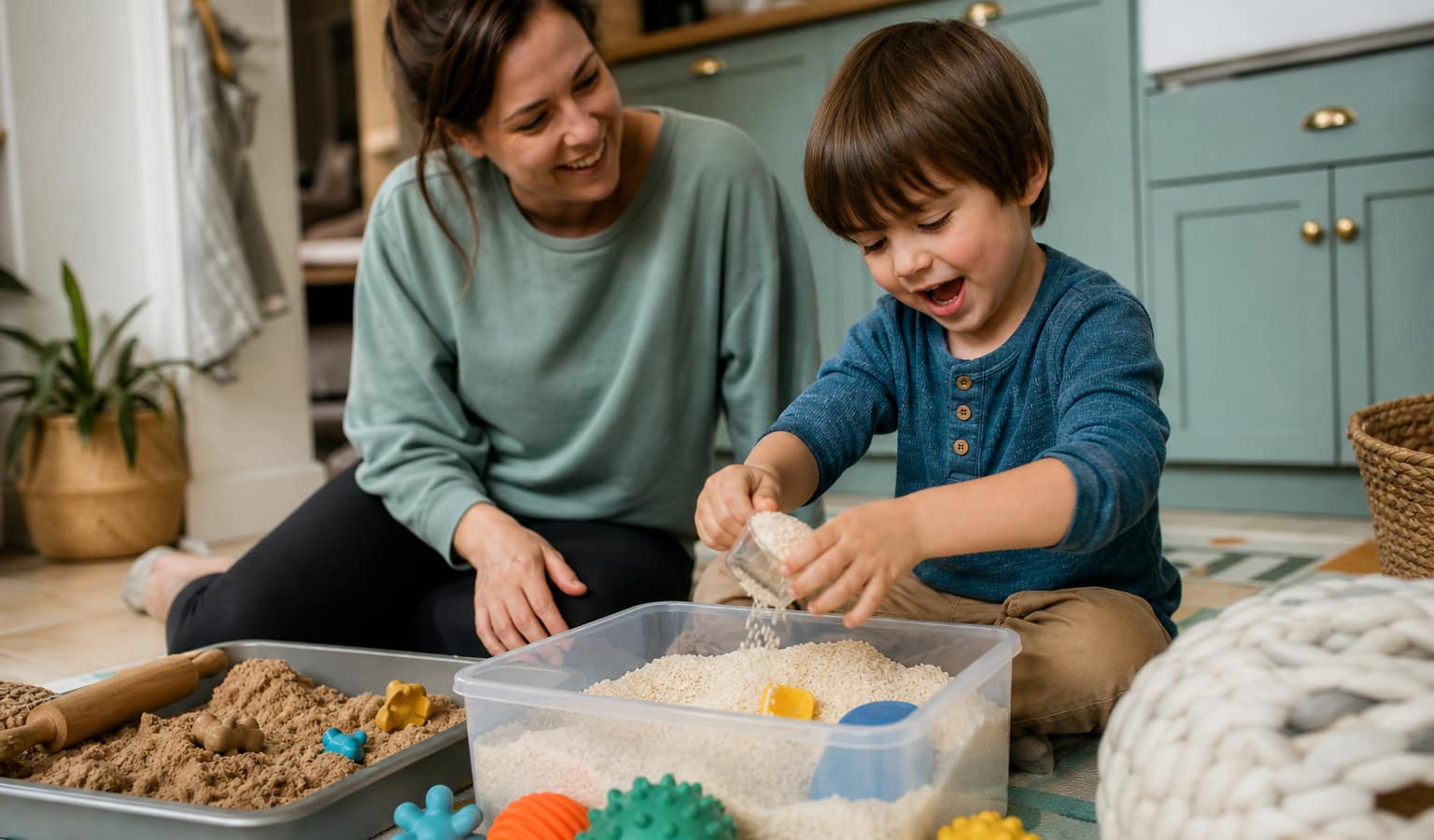
“Let’s go play!”
For many children, playtime is a simple, joyous event. But for a neurodivergent child, it’s often more than that. It’s a critical time for self-regulation, a necessary outlet for a nervous system that is constantly seeking or avoiding input from the world around them. When a child is struggling to sit still, constantly touching things, or having a meltdown over a loud noise, it is often a sign that their sensory needs are not being met.
As parents, we don’t always have access to a fully equipped sensory room, but we do have the most important space of all: our home. Your living room, kitchen, and garden can be transformed into a powerful toolkit for emotional regulation and calm. This article is your guide to simple, effective sensory activities at home that require minimal resources. We’ll explore why these activities are so important, celebrate the power of a proactive approach, and show you how Tediverse can help you and your child build a personalized “sensory diet” that works.
Transform your home into a sensory sanctuary
Join thousands of UK families using Tediverse to plan simple sensory activities, track what helps their child regulate, and build a personalised routine.
✓ Free plan available • ✓ Daily tracking • ✓ Visual schedules
The “Why”: Sensory Regulation and the Nervous System
At the heart of a child’s sensory needs is the concept of sensory processing, a topic we dive into in our guide on Sensory Processing Disorder: The Hidden Barrier to Learning. The brain receives information from all eight senses, interprets it, and tells the body how to respond. For a neurodivergent child, this process can be disorganized. Their brain might either be a super-processor, taking in too much information at once (overstimulated), or it might be a poor processor, not getting enough information to feel calm and centered (understimulated).
Sensory activities are intentional forms of play that help a child regulate their nervous system. They are a way for a child to get the precise amount of input they need to feel “just right.” When a child’s sensory needs are met, their ability to focus, learn, and manage their emotions improves dramatically. A child who is constantly fidgeting, a behaviour we explore in More Than Fidgeting: Understanding Sensory Needs in Neurodivergent Children, is often a child who is seeking more sensory input. A child who is having a meltdown is often a child who is trying to escape an overwhelming sensory world.
By providing proactive sensory activities, you are not just playing; you are building a crucial foundation for emotional stability and self-regulation.
Track your child’s sensory patterns
Use Tediverse’s sensory tracking tools to identify triggers, monitor responses, and develop personalized sensory diets that work for your child.
Proactive Play: Activities for Sensory Seeking and Avoiding
A successful sensory diet is a blend of activities that a child needs to feel regulated. The best approach is to have a toolbox of activities for both “seeking” and “avoiding” days, as a child’s needs can change daily.
Activities for the Sensory Seeker
These are activities designed to provide intense sensory input to a child who is understimulated. These activities are often high-energy and provide deep pressure or vestibular input.
Proprioception (Deep Pressure)
- The “Human Burrito”: Tightly roll your child up in a blanket like a burrito. The deep pressure can be incredibly calming and grounding.
- Wall Pushes: Have your child stand facing a wall and push against it with their hands. This simple activity provides intense proprioceptive input.
- Jumping on a Trampoline: A small, indoor trampoline is a fantastic tool for sensory seekers. Jumping provides intense input to the joints and muscles, which can be very regulating.
Vestibular (Movement and Balance)
- Swinging: A swing in the garden or a swing at the park is a classic vestibular activity. The predictable, rhythmic motion can be very calming.
- Spinning: A spinning toy, a spinning chair, or even just spinning in a circle can provide the intense vestibular input a child needs.
- Rolling: Rolling up and down a grassy hill or on a play mat is a simple but powerful way to get vestibular input.
Oral Sensory
- Crunchy Snacks: Offer crunchy snacks like apples, carrots, or pretzels. The act of chewing can be very regulating.
- Chewing Toys: Provide a safe, chewable toy or chewy jewellery that a child can use when they need oral input.
Tactile (Touch)
- Messy Play: Get out the shaving cream, finger paint, or kinetic sand. Messy play provides a lot of tactile input, which can be very organizing for the nervous system.
- The Rice Bin: A simple bin filled with rice, beans, or pasta can be a wonderful tactile play space. Your child can run their hands through it or dig for toys hidden inside.
Activities for the Sensory Avoider
These are activities designed to reduce or buffer a child from overwhelming sensory input. These activities are often calming, predictable, and low-energy.
Visual (Sight)
- Calm-Down Jars: A jar filled with glitter, water, and glue can be a powerful visual tool. The child can shake it and watch the glitter settle, which can be very calming.
- Dim Lighting: Create a quiet, calm space with dim lighting. A small nightlight or a lamp can provide enough light without being overwhelming.
- No-Screen Time: Limit screen time before bed or when a child is feeling overwhelmed. The fast-moving visuals and sounds can be too stimulating.
Auditory (Sound)
- Noise-Cancelling Headphones: A pair of noise-cancelling headphones is a fantastic tool for a child who is sensitive to sound. They can use them in a busy environment or at home when things get too loud.
- Calming Music: Play calming, low-volume music to mask disruptive noises. There are many apps and playlists available with calming music for children.
- Reading: The simple act of reading a book provides a quiet, predictable activity that is free from auditory chaos.
Tactile (Touch)
- Calming Textures: Provide soft blankets, pillows, and clothing made from natural, soft fibers.
- Deep Pressure: A weighted blanket, a gentle back rub, or a firm hug can be very calming and regulating.
- Water Play: A calm bath or a sensory bin with cool water can be very calming for a tactile-sensitive child.
Create your child’s sensory toolkit
Use Tediverse to build personalized sensory diets, track what works, and create visual schedules that incorporate sensory activities into your daily routine.
Building Your “Sensory Diet” into Your Routine
The key to a successful sensory diet is not just having the activities on hand, but in making them a consistent part of your child’s routine. This is where your parenting toolkit can make a huge difference.
Use a Visual Schedule
Incorporate sensory activities into your child’s visual schedule. A simple icon of a swing or a pillow can tell a child that it is time for a regulating activity. This helps a child with executive function challenges and predictability. Our guide on Executive Function Challenges: Supporting Daily Life Skills provides more information on how to do this.
Read the Signs
Get to know the early signs that your child is becoming overstimulated or understimulated. Is a meltdown on the horizon? A quick, proactive sensory activity can often prevent it. Our guide on Sensory Processing Disorder: The Hidden Barrier to Learning provides more information on how to do this.
Make Your Home a Sanctuary
A calm, predictable home environment is the foundation for a successful sensory diet. Your home should be a place where your child feels safe and regulated. Creating a sensory-friendly home involves understanding your child’s unique sensory profile and making intentional adjustments to lighting, sound, textures, and routines.
How Tediverse Can Help
The journey of understanding and supporting your child’s sensory needs is a marathon, not a sprint. It requires consistency, observation, and a system for tracking what works. This is where Tediverse can be an invaluable tool. Our platform helps you:
Tediverse Sensory Support Features
- Track Patterns: Our Daily Tracking Suite allows you to log what sensory activities you did and how they impacted your child’s mood and behaviour. Over time, this data will reveal crucial patterns and triggers you might otherwise miss.
- Build Routines: Use our Visual Schedule feature to incorporate sensory activities into your child’s daily and weekly routine. You can also share this schedule with everyone who supports your child, ensuring consistency across all environments.
- Reduce the Mental Load: By organizing your life with Tediverse, you reduce the emotional and administrative burden on yourself. This frees up your energy to be a more compassionate and present parent.
Conclusion: Building a Foundation for Emotional Resilience
The world of a neurodivergent child is a sensory-rich one, and it is our job as parents to help them navigate it with confidence and calm. By providing simple, intentional sensory activities at home, you are not just playing; you are building a powerful toolkit for emotional resilience and empowerment.
Remember that every child’s sensory profile is unique, and what works one day might not work the next. The key is to observe, adapt, and maintain a consistent routine that provides both the input your child needs and the calm they crave. With patience and the right tools, your home can become the most powerful sensory room of all.
The journey from sensory overwhelm to regulation is not linear, and there will be challenges along the way. But with consistent support, understanding, and the right tools, you can develop the strategies and routines to help your child navigate their sensory world with confidence and calm.
Ready to discover a calmer, more organized approach to parenting?
Join thousands of UK families using Tediverse to support their neurodivergent children through sensory activities and routines. Get started free today and discover the difference understanding makes.
✓ Free plan available • ✓ No credit card needed • ✓ Upgrade any time