Understanding and Supporting Special Interests: Complete Parent Guide
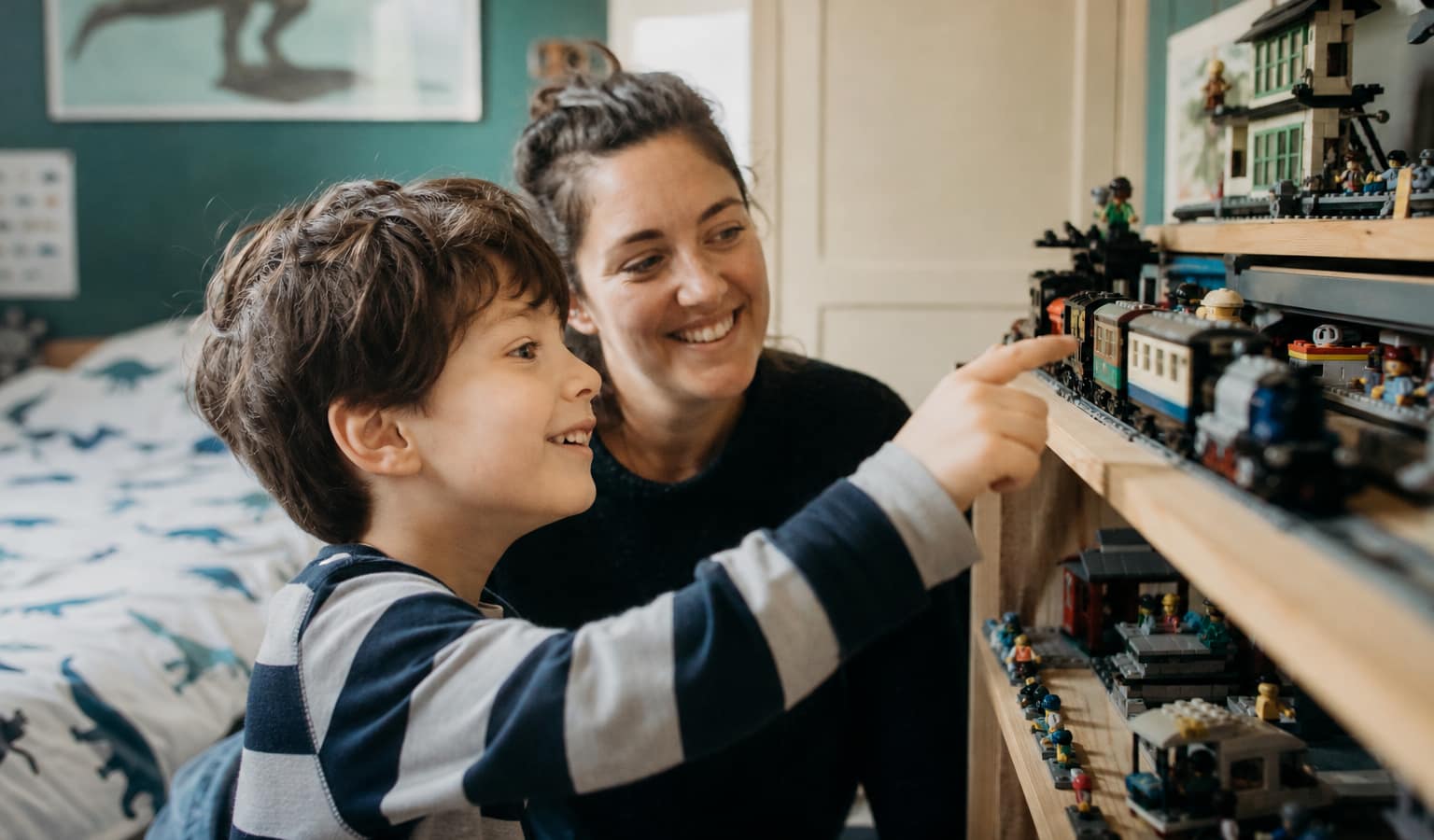
For many neurodivergent children, especially those with autism, ADHD, or other neurodevelopmental conditions, special interests are more than just hobbies–they’re essential aspects of their identity and wellbeing. These intense, focused passions can range from dinosaurs and trains to complex systems like astronomy or computer programming.
Unlike typical hobbies, special interests often involve an extraordinary depth of knowledge, passionate enthusiasm, and can serve as a source of comfort, joy, and self-regulation. When understood and supported appropriately, these interests can become powerful tools for learning, social connection, and emotional regulation.
“When my son can engage with his special interest in dinosaurs, his confidence soars, his anxiety decreases, and his ability to connect with others improves dramatically. His special interest isn’t just a hobby–it’s his superpower.” – Parent of a 9-year-old with autism
Understanding Special Interests
Special interests differ from typical hobbies in several key ways:
- Intensity: The interest is pursued with exceptional focus and passion
- Depth: Children develop extensive knowledge in their area of interest
- Duration: Interests can last years or even a lifetime
- Function: Often serve regulatory and emotional functions beyond entertainment
- Prioritization: May take precedence over other activities or responsibilities
Benefits of Special Interests
Emotional Benefits
- Provides calm during sensory overload
- Creates a sense of mastery and competence
- Offers predictability in an unpredictable world
- Builds self-esteem and confidence
- Serves as a coping mechanism during stress
Cognitive Benefits
- Develops deep expertise in specific areas
- Builds exceptional focus and attention
- Enhances memory related to the interest
- Develops research and learning skills
- Can lead to academic and career opportunities
Social Benefits
- Creates connections with like-minded peers
- Provides a comfortable topic for conversation
- Can develop leadership in areas of expertise
- Offers a pathway to social groups and clubs
- Builds confidence in social interactions
Educational Benefits
- Creates motivation for related learning
- Provides context for developing skills
- Can be leveraged for cross-curricular learning
- May lead to specialized knowledge valued in education
- Often develops advanced vocabulary in area of interest
Strategies for Supporting Special Interests
In Daily Life
Create Interest Stations Set up dedicated spaces in your home where your child can engage with their special interest. This creates a safe, predictable space for regulation and enjoyment.
Example: “We created a ‘space corner’ with books, posters, and models. Our son knows he can go there anytime he needs to regulate or just enjoy his interest.”
Interest-Based Rewards Use special interests to motivate completion of non-preferred activities.
Example: “After completing homework, my daughter earns time to work on her rock collection. This has transformed homework from a battle to a manageable task.”
Transitions Using Special Interests Incorporate elements of special interests into transitions between activities.
Example: “We use dinosaur footprints on the floor to help our son transition from his bedroom to the bathroom for morning routines.”
For Learning and Education
Interest-Based Learning Use special interests as entry points for academic concepts.
Example: “My son’s interest in trains became our way to learn math. We count trains, calculate speeds, and measure track lengths.”
Create Custom Materials Modify worksheets and learning materials to incorporate special interests.
Example: “For my daughter who loves the solar system, we created math worksheets with planets and stars instead of generic objects.”
Expert Opportunities Create opportunities for your child to share their expertise with others.
Example: “My daughter’s teacher lets her give a short presentation on a new animal fact each week, building her confidence and social skills.”
For Social Development
Find Interest Groups Connect with others who share your child’s special interests.
Example: “We found a Lego club where our son could share his passion with other children. He’s made friends who appreciate his detailed knowledge.”
Create Social Stories Use special interests to explain social concepts and situations.
Example: “We created a social story about taking turns using my son’s favorite superheroes. This helped him understand the concept in a way that resonated with him.”
Interest-Based Conversation Starters Develop scripts and conversation starters related to special interests.
Example: “We practiced ways my daughter could share one dinosaur fact and then ask a question about what her friend likes.”
Balancing Special Interests
While special interests are valuable, finding balance is important:
- Set boundaries while respecting the importance of the interest
- Use timers to help manage time spent on special interests
- Encourage variety without dismissing the primary interest
- Support flexibility while honoring the intensity of engagement
- Address concerns about social or academic impact proactively
When to Seek Support
Consider professional guidance if:
- Special interests significantly interfere with daily functioning
- The interest causes distress when interrupted
- Safety concerns arise from the interest
- Balance becomes difficult to maintain
- You need help leveraging the interest for learning
How Tediverse Supports Special Interests
Tediverse was designed with neurodivergent children in mind, and its everyday tools are perfect for weaving a special interest into daily support — turning a passion that’s sometimes seen as a distraction into a documented strength.
| Tediverse tool | How to use it with a special interest | Why it helps |
|---|---|---|
| Visual schedules | Theme routines and transitions around the interest — for example, dinosaur-themed schedule cards for the morning routine | Turns non-preferred tasks into something your child looks forward to, and makes transitions easier |
| Interest profile | Record the interest, related activities and a note on how it helps your child | Keeps a living record you can share with teachers and therapists as interests evolve |
| Rewards | Link completing tasks to interest-based rewards and time | Makes motivation and positive reinforcement genuinely meaningful to your child |
| Daily tracking & Episode Tracker | Note when the interest helps regulation, and your child's emotional state before and after | Builds evidence that the interest is a regulation strength, not just a distraction |
| Shareable reports | Share what works with everyone supporting your child | Keeps home, school and therapists using the same interest-led strategies |
Capturing a special interest in Tediverse, step by step
| Step | What to do in Tediverse |
|---|---|
| 1. Record the interest | In your child's profile, add the interest name, related activities and a note on how it helps them |
| 2. Build it into the day | In visual schedules, add interest-based activities and transition cues at strategic times |
| 3. Motivate with it | Set up rewards that link completing non-preferred tasks to interest time |
| 4. Track the impact | Use daily tracking or the Episode Tracker to record when the interest aids regulation and how long engagement lasts |
| 5. Share what works | Turn your notes and progress into a report for teachers and therapists, so the interest is treated as a strength |
Turn your child’s passion into everyday support
Tediverse helps you record your child’s special interests, weave them into visual schedules and reward routines, and track how they help with focus and regulation–then share what works with everyone supporting your child.
✓ Free plan available • ✓ No credit card needed • ✓ Upgrade any time